Plant Care Guides

Expert tips and advice to help your indoor plants thrive. From watering schedules to pest management, we've got you covered.

Watering Your Plants
Watering indoor plants with watering can

Proper watering is essential for healthy plants. Most indoor plants prefer to dry out slightly between waterings, but the exact schedule depends on the plant type, pot size, and environmental conditions.

Key Watering Tips:

  • Check soil moisture before watering by inserting your finger 2-3cm into the soil
  • Water once every 7-10 days for most tropical plants; adjust based on season
  • Keep soil slightly moist but never waterlogged
  • Use room-temperature water to avoid shocking the roots
  • Water thoroughly until water drains from the bottom, then empty the saucer
  • Reduce watering frequency in winter when plants grow more slowly

Signs of overwatering include yellowing leaves, mushy stems, and soil that stays wet. Signs of underwatering include drooping leaves, dry soil, and brown leaf edges.
Light Requirements

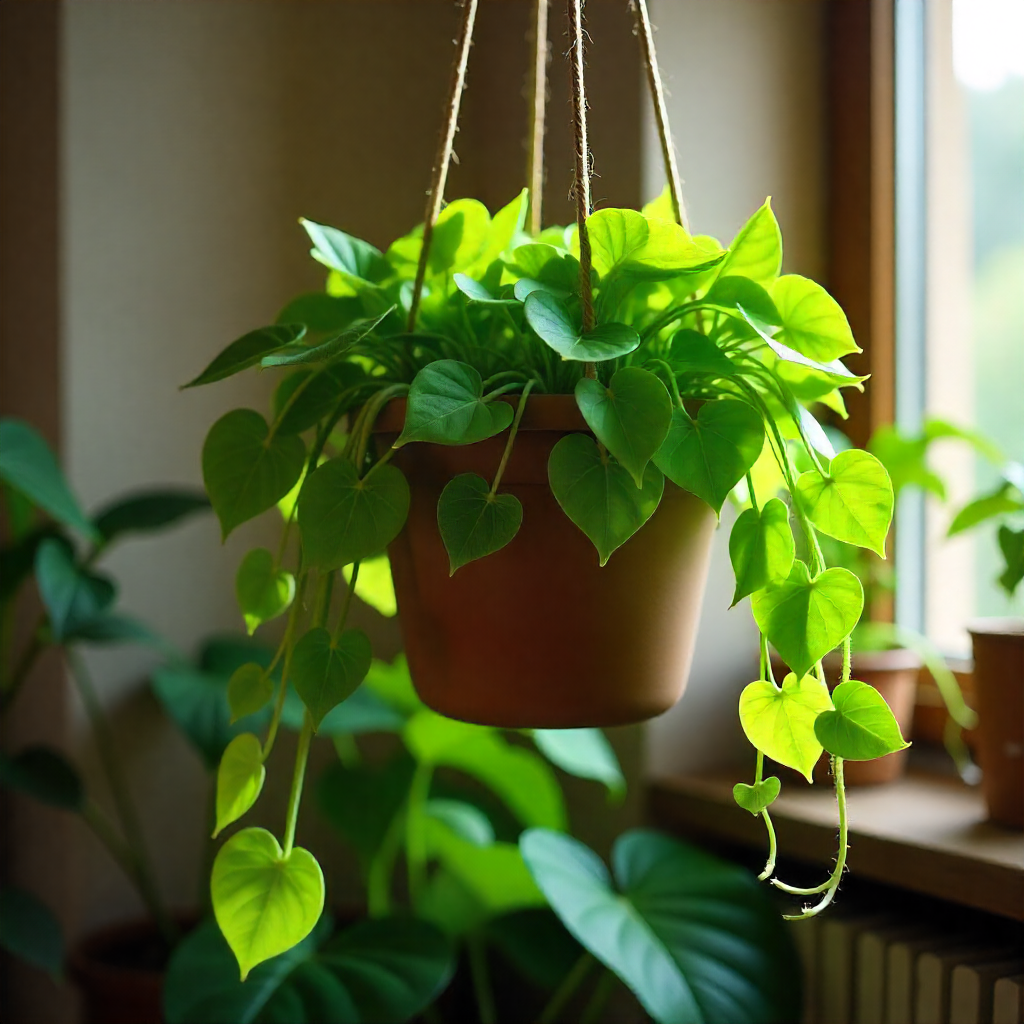
Plants positioned near window for optimal light

Understanding your plant's light needs is crucial for its health and growth. Light requirements vary significantly between plant species, and placing a plant in the wrong light can cause stress and poor growth.

Light Categories:

  • Bright direct light: South-facing windows, 4-6 hours of direct sun daily
  • Bright indirect light: Near east or west windows, or a few feet from south windows
  • Medium light: North-facing windows or several feet from bright windows
  • Low light: Areas away from windows but still receiving ambient light

Most houseplants prefer bright, indirect light. Rotate your plants regularly to ensure even growth. If leaves are fading or stretching toward light, your plant may need more light. If leaves are scorching or turning brown, reduce direct sunlight exposure.

Repotting Your Plants

Plant in ceramic pot ready for repotting

Repotting gives your plants room to grow and refreshes their soil. Most plants benefit from repotting every 1-2 years, typically in spring when they're entering their active growth period.

When to Repot:

  • Roots growing through drainage holes
  • Plant dries out very quickly after watering
  • Plant has stopped growing despite proper care
  • Soil has become compacted or depleted

Repotting Steps:

  • Choose a pot that's 2-5cm larger in diameter than the current pot
  • Gently remove the plant from its current pot, being careful with roots
  • Loosen the root ball and remove old, compacted soil
  • Place fresh potting mix in the new pot and position the plant
  • Fill around the plant with soil and water thoroughly
  • Wait a week before fertilizing to allow roots to settle

Pest Management

Healthy plants free from pests

Early detection and treatment are key to managing plant pests. Regular inspection of your plants helps catch problems before they spread. Most common indoor plant pests can be managed with simple, non-toxic methods.

Common Pests:

  • Spider mites: Tiny red or brown dots, fine webbing on leaves. Treat with neem oil or insecticidal soap
  • Mealybugs: White, cotton-like clusters. Remove with cotton swab dipped in alcohol
  • Scale: Brown or white bumps on stems and leaves. Scrape off and treat with horticultural oil
  • Fungus gnats: Small flying insects around soil. Let soil dry out and use yellow sticky traps
  • Aphids: Small green or black insects on new growth. Spray with water or insecticidal soap

Prevention is the best approach: keep plants healthy, avoid overwatering, and isolate new plants for a few weeks before placing them near others. Regularly wipe leaves with a damp cloth to remove dust and potential pests.

Fertilizing Your Plants

Proper fertilization provides essential nutrients for healthy growth and vibrant foliage.

When to Fertilize

Most indoor plants benefit from fertilizing during their active growing season (spring and summer). Reduce or stop fertilizing in fall and winter when growth slows.

Types of Fertilizer

Use a balanced, water-soluble fertilizer designed for houseplants. Follow package instructions and dilute to half strength for most plants to avoid over-fertilization.

Frequency

Fertilize every 4-6 weeks during the growing season. Some fast-growing plants may benefit from more frequent feeding, while slow growers need less.

Humidity & Temperature

Creating the right environment is key to plant health and growth.

Humidity Levels

Most tropical plants prefer humidity levels of 40-60%. Increase humidity by grouping plants, using a humidifier, or placing plants on pebble trays with water.

Temperature Range

Most houseplants thrive in temperatures between 18-24°C. Avoid placing plants near heating vents, air conditioners, or drafty windows.

Seasonal Adjustments

Adjust your care routine with the seasons. Plants typically need less water and fertilizer in winter when growth slows and indoor air is drier.

Common Plant Problems & Solutions

Learn to identify and solve common issues that affect indoor plants.

Yellowing Leaves

Often caused by overwatering, underwatering, or nutrient deficiency. Check soil moisture, adjust watering schedule, and consider fertilizing if needed.

Brown Leaf Tips

Usually indicates low humidity, over-fertilization, or water quality issues. Increase humidity, flush soil with distilled water, or reduce fertilizer.

Drooping Leaves

Can signal underwatering, overwatering, or root problems. Check soil moisture and drainage, and inspect roots if the problem persists.

Propagation Techniques

Learn how to multiply your plant collection through various propagation methods.

Stem Cuttings

One of the easiest propagation methods. Cut a healthy stem, remove lower leaves, and place in water or soil to grow new roots.

Leaf Propagation

Perfect for succulents and some houseplants. Place leaves on soil and watch as new plants grow from the base.

Division

Split mature plants into multiple smaller plants. Ideal for plants that naturally form clumps or have multiple stems.

Plant Troubleshooting Guide

Quick reference guide for identifying and solving common plant problems.

Leaf Problems

Yellow, brown, or dropping leaves? Learn what these symptoms mean and how to address the underlying issues affecting your plant's health.

Growth Issues

If your plant isn't growing or looks stunted, it may need more light, nutrients, or a larger pot. We'll help you diagnose the problem.

Root Health

Healthy roots are essential for plant vitality. Learn to recognize root rot, bound roots, and other root-related issues before they become serious.

Advanced Care Techniques

Take your plant care skills to the next level with these advanced techniques.

Pruning & Shaping

Learn when and how to prune your plants to encourage bushier growth, remove dead foliage, and maintain desired shapes.

Creating Microclimates

Group plants with similar needs together to create microclimates that help them thrive, especially for humidity-loving tropicals.

Seasonal Adjustments

Adapt your care routine throughout the year. Plants have different needs in spring, summer, fall, and winter.

Plant Care Calendar

A monthly guide to help you stay on top of your plant care routine throughout the year.

Spring Tasks

Repotting season, start fertilizing, increase watering frequency, and take cuttings for propagation. Spring is growth season!

Summer Care

Monitor water needs closely, protect from intense sun, increase humidity, and continue regular fertilizing during peak growth.

Fall & Winter

Reduce watering and fertilizing, move plants away from cold drafts, consider grow lights, and focus on maintenance rather than growth.

Need More Help?

Have specific questions about your plant? Our team is here to help with personalized care advice.

Contact Us